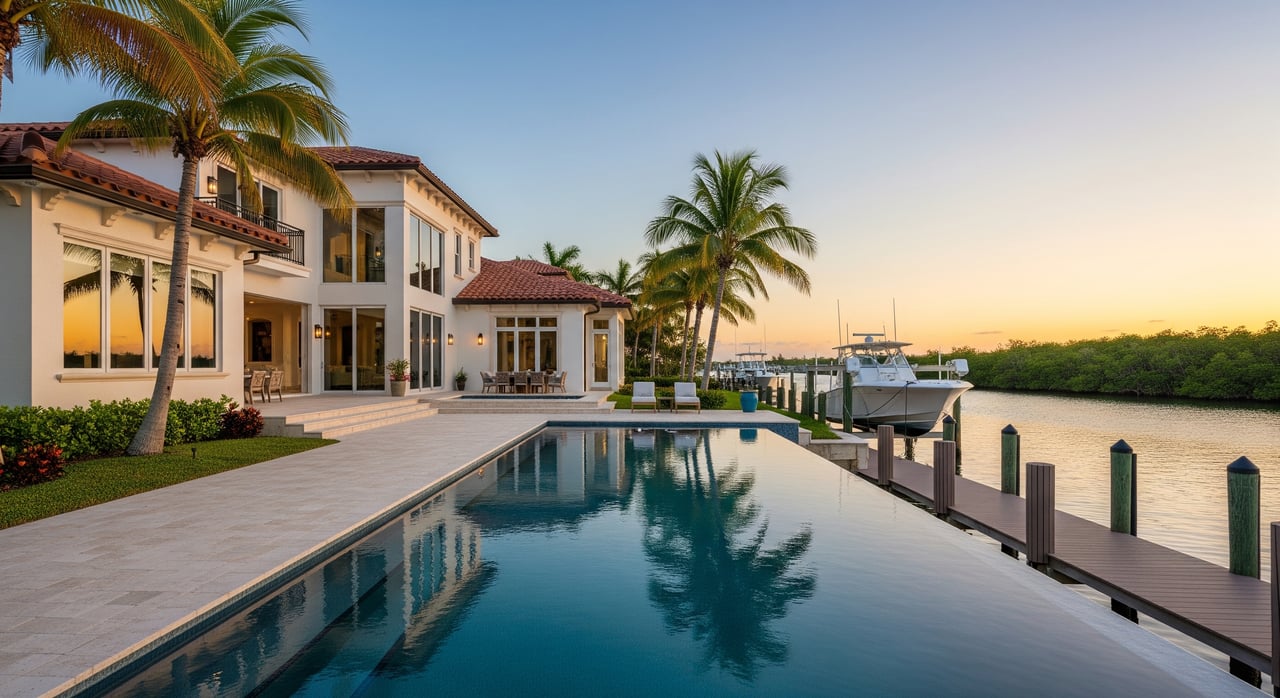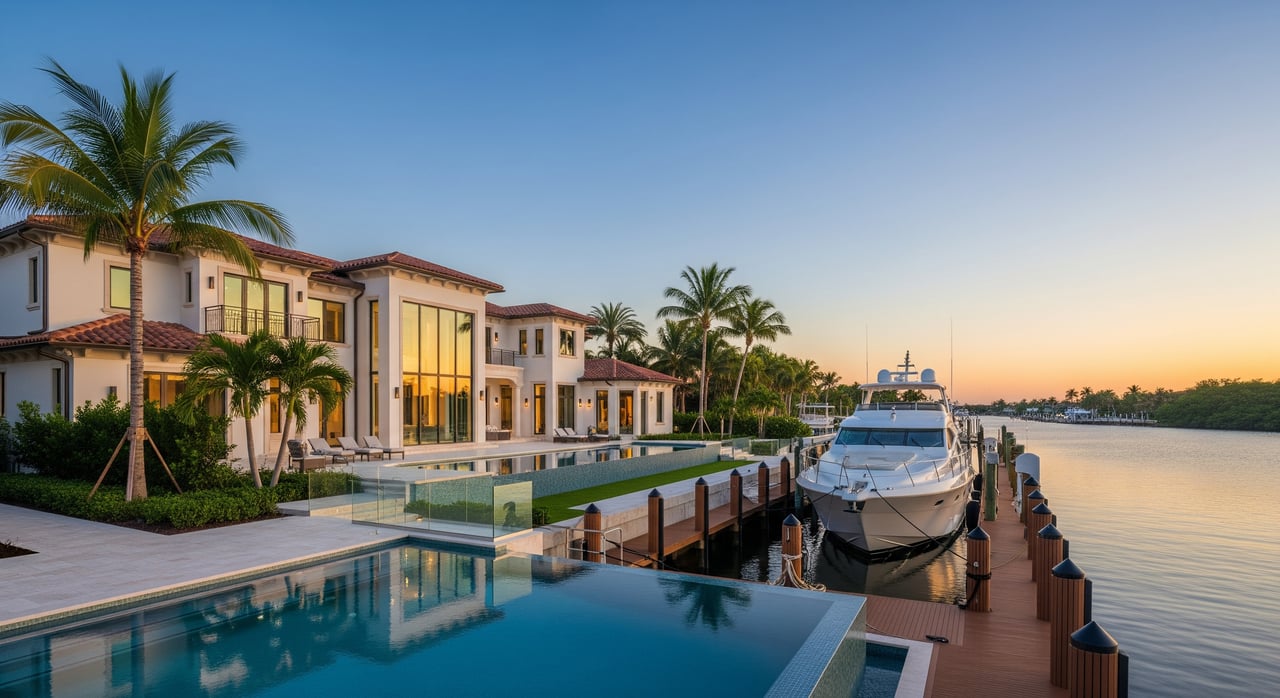
Looking for a walkable, riverfront lifestyle with dining, arts, and events at your doorstep? Downtown Fort Myers’ River District offers exactly that, with a lively urban feel and a range of condo options to match your budget and priorities. If you want convenience without yard work, plus scenic access to the Caloosahatchee, you’re in the right place. In this guide, you’ll learn what to expect from buildings and fees, how to assess insurance and flood risk, and the due diligence steps that help you buy with confidence. Let’s dive in.
The River District at a glance
You’re in the heart of Fort Myers’ historic and commercial core, right along the Caloosahatchee River. Restaurants, galleries, and performance venues line the streets, and the calendar is full of farmers markets, concerts, and festivals.
Walkability is a highlight. Many daily needs are reachable on foot from centrally located condos. Public transit is provided by LeeTran, and ride-share and biking are common for local trips. If transit matters to you, review current route maps and schedules before you buy.
Waterfront access shapes daily life here. Many buildings offer river views and proximity to the Riverwalk. Some properties have boat slips or are near marinas, while others do not. Flooding, storm surge, and waterfront setbacks are important considerations for river-adjacent homes.
Condo building types
High-rise towers
High-rises deliver skyline and river views, elevator service, and larger amenity packages like pools, fitness centers, resident lounges, and garage parking. You often see professional on-site management and enhanced security. Expect higher association fees to support elevators, HVAC systems, and amenities.
Mid-rise buildings
Mid-rises typically range from 4 to 12 stories and balance features and costs. You may find a mix of floor plans, moderate amenities, and potentially lower fees than very large towers. Age, amenity scope, and insurance needs vary by building and can shift costs.
Boutique and historic conversions
Smaller buildings and historic conversions offer character and unique architecture, sometimes with ground-floor commercial uses. Amenities are lighter, and some associations may be owner-managed. Older systems like roofs, plumbing, or electrical can require closer review.
Typical unit features
You’ll find studios to 3-bedroom units, with some larger riverfront residences. Open floor plans and indoor-outdoor living are common. Balconies, impact-rated windows or shutters, storage, and covered or assigned parking vary by building age and design.
What HOA fees usually cover
Condo fees fund building operations and long-term upkeep. In many River District buildings, fees may include:
- Building and grounds maintenance
- Exterior insurance on the master policy
- Reserve fund contributions
- Water and sewer, and trash service
- Common-area utilities and amenity upkeep
- Elevator and HVAC maintenance for common systems
- Security and management company services
Fees vary widely by building size, age, amenities, and whether utilities are included. Newer towers with large amenity suites can run higher. Smaller or historic associations can run lower, but reserves may be underfunded.
Reserves and assessments
Healthy reserve funds help pay for future capital projects like roofs, elevators, and facade work. Underfunded reserves increase the risk of special assessments. Ask for the most recent reserve study and budget, and verify whether any assessments are planned or recently levied.
Insurance, hurricane, and flood risk
Two coverage layers matter. The association’s master policy typically covers common areas and the building envelope per the declaration. Your HO-6 policy covers interior finishes, personal property, and liability.
Wind and hurricane exposure affect premiums and deductibles across coastal and riverfront Florida. Many buildings carry windstorm coverage with higher named-storm deductibles. Flood risk is also a key factor. Riverfront properties may be in FEMA flood zones, and lenders usually require flood insurance in Special Flood Hazard Areas. Request the master policy and statement of insurance with deductibles and limits, plus any recent claims history.
Given statewide attention to building safety, confirm the building’s inspection or recertification status and review any structural or engineering reports.
Taxes and local costs
Property taxes are assessed by Lee County based on value and applicable millage rates. Florida does not have a state income tax, which can influence overall cost of living. In select areas, special taxing districts or municipal fees may apply, so review parcel-specific details.
Financing a condo
Many lenders and loan programs have condo project requirements. FHA, VA, Fannie Mae, and Freddie Mac each maintain eligibility standards. Factors like reserve levels, owner-occupancy percentages, insurance coverage, and active litigation can affect loan approval.
If you plan to use FHA, VA, or a conventional loan with project review, talk to your lender early. Confirm that your target building is financeable and learn what documentation is needed from the association.
Rental and use rules
Most associations have rules that shape how you use the unit. These can include minimum lease terms, caps on the number of rentals, and restrictions on short-term stays. Guest parking, pet policies, and move-in procedures also vary. Always review the declaration, bylaws, and rules before you make an offer.
Parking, storage, and amenities
Parking can be deeded, assigned, or first-come. Some buildings include covered garage spaces and guest parking limits. Storage lockers, bike storage, and EV charging may be available in select properties. Verify what is included with the unit and how visitor parking works.
Buyer due diligence checklist
Request these documents from the seller, listing agent, or association:
- Association declaration, bylaws, rules, and any amendments
- Most recent budget and financial statements
- Most recent reserve study and reserve funding policy
- Current monthly assessment schedule and coverage details
- Minutes from the last 12 months of board meetings
- Certificate of insurance and master policy with deductibles and limits
- Notices of planned special assessments or recent capital projects
- Litigation summary or ledger
- Proof of required inspections or recertifications and structural reports
- Rental policy, pet policy, and occupancy restrictions
- Parking assignment and storage documentation
- FHA, VA, or conventional project approval status if applicable
Key questions to ask
- What exactly does the monthly fee include, and are water, cable, or internet covered?
- How well funded are reserves, and when was the last reserve study completed?
- Are any special assessments planned or recently completed? Why?
- Is the building in a FEMA Special Flood Hazard Area, and is an Elevation Certificate available?
- What are the hurricane and flood deductibles on the master policy, and what should your HO-6 cover?
- Are there rental restrictions or short-term rental rules?
- Is the association professionally managed, and by whom?
- Is parking deeded or assigned, and are storage lockers included?
- Is there any ongoing litigation or safety concern?
Recommended inspections and reviews
- Structural or engineering review, especially for older or waterfront buildings
- Wind mitigation and hurricane-readiness check for windows, doors, and shutters or impact glass
- Flood elevation review and flood insurance estimate
- Pest and termite inspection
- Roofing and elevator maintenance histories from the association
- Independent review of association financials and reserves if you see red flags
Lifestyle perks and tradeoffs
Living in the River District puts you close to restaurants, live music, galleries, coffee shops, and the riverfront promenade. Events and nightlife add energy and can support rental demand where allowed. River access and scenic views are major draws.
Tradeoffs include more foot and vehicle traffic, evening noise, and occasional congestion compared with suburban areas. Private outdoor space is limited to balconies in most buildings. Street parking can be tight, so confirm deeded spaces and guest policies.
How The Vetere Team helps
You deserve clear guidance and a smooth process. Our local specialists help you compare buildings, understand true monthly costs, and coordinate with lenders who know condo financing. We help you gather association records early, spot reserve or insurance red flags, and connect you with trusted inspectors and vendors.
When you are ready to tour, we tailor a list of River District condos that fit your lifestyle, budget, and comfort level with fees and rules. If you plan to sell, we provide pricing strategy, staging, and marketing that reaches qualified buyers across Southwest Florida and beyond.
Ready to explore downtown condo living with a team that pairs neighborhood expertise with national reach? Connect with The Vetere Team to get started.
FAQs
What is the River District in Fort Myers?
- It is the historic and commercial core of downtown Fort Myers along the Caloosahatchee, known for walkable streets, dining, arts venues, events, and newer residential development.
Are River District condos walkable and is transit available?
- Yes, many daily needs are reachable on foot, and LeeTran provides bus service in the area; ride-share and biking are also common for local trips.
What do HOA fees usually include in downtown Fort Myers condos?
- Fees often cover exterior insurance, building maintenance, reserves, water and sewer, trash, common utilities, amenities, elevator upkeep, security, and management.
Do I need flood insurance for a riverfront condo in Fort Myers?
- If the building lies in a FEMA Special Flood Hazard Area and you have a mortgage, flood insurance is usually required; verify flood zone, elevation, and premiums before you buy.
Can I use FHA or VA financing on a River District condo?
- Possibly, but the condo project must meet program eligibility; check project approval and association documents with your lender early in the process.
Are short-term rentals allowed in River District buildings?
- Rules vary by association; many impose minimum lease terms or caps on rentals, and some prohibit short-term stays entirely, so review the documents before making an offer.