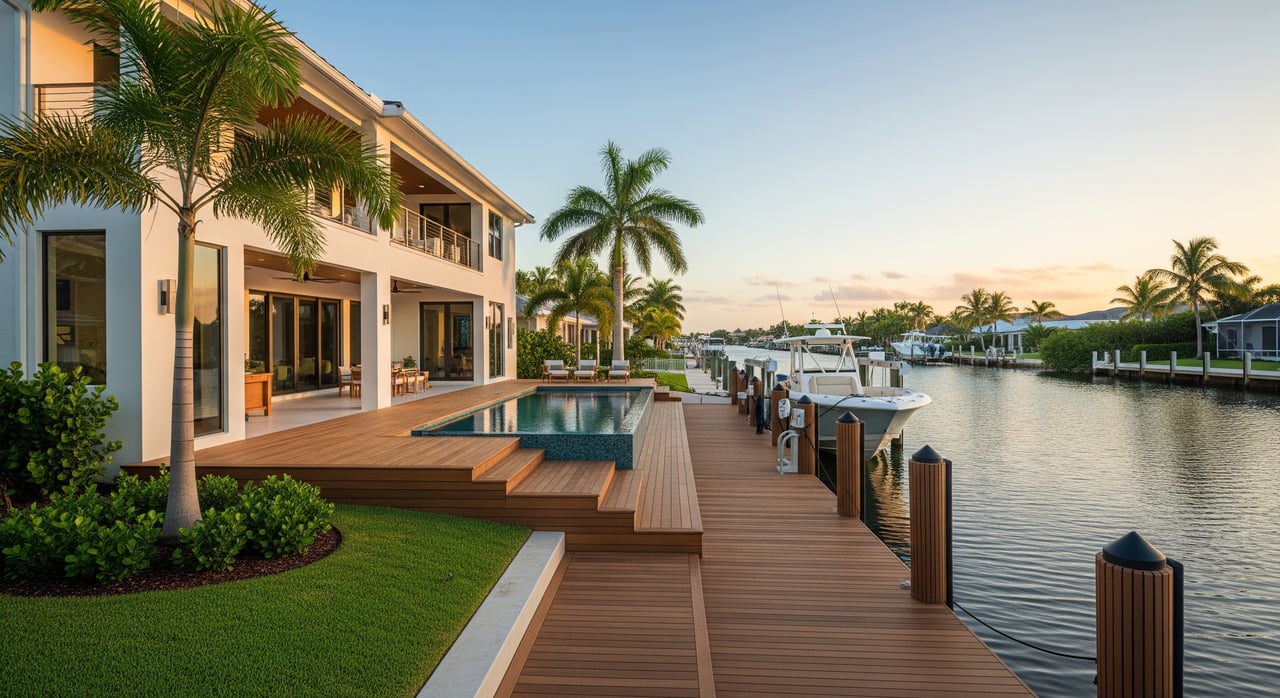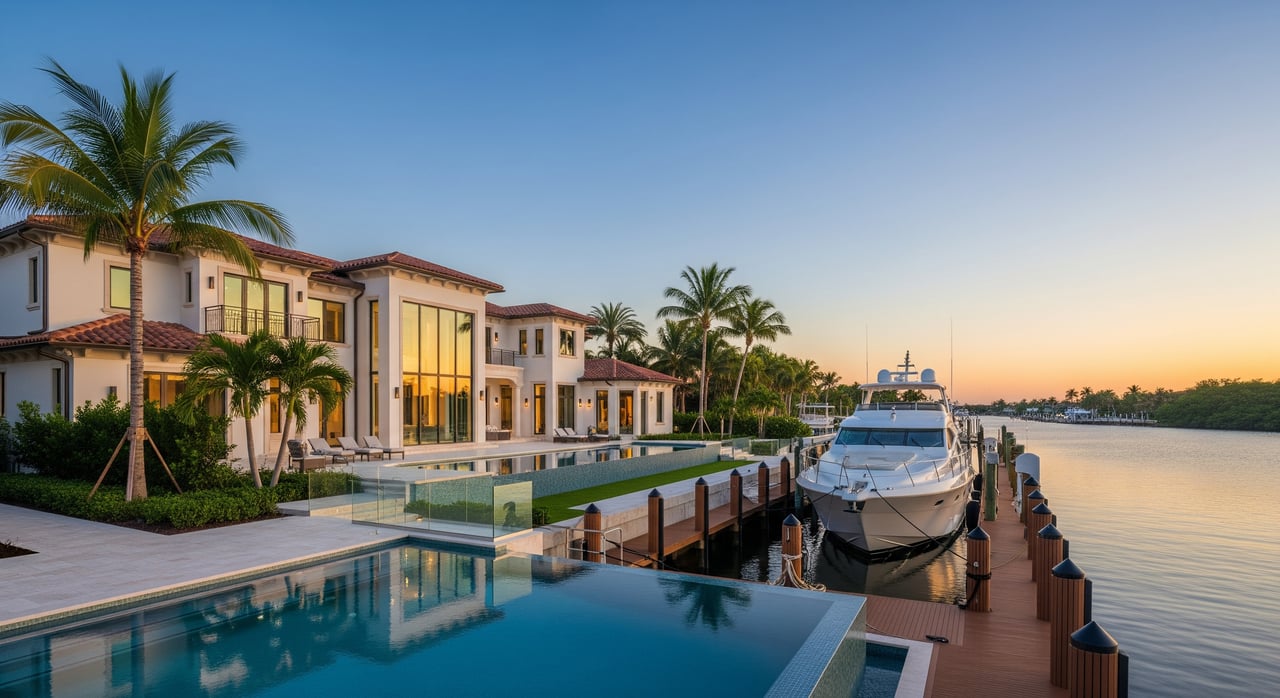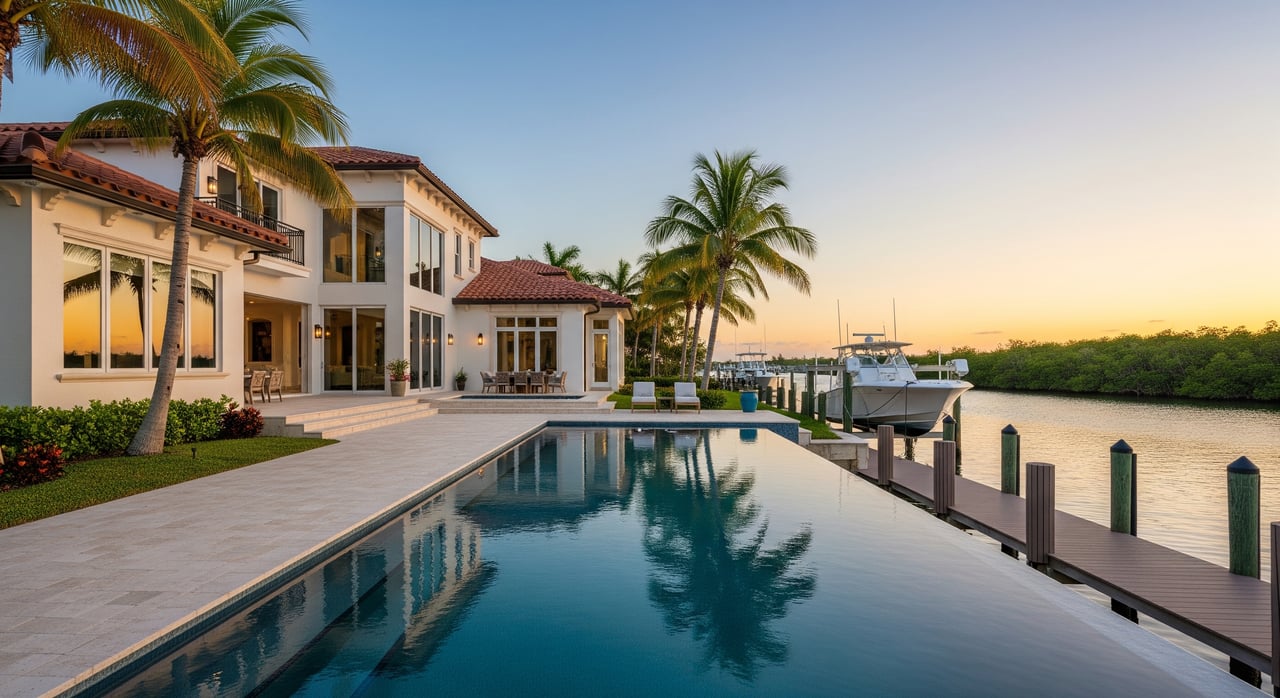
Thinking about making Fort Myers your next home? You’re not alone. Many buyers are drawn to the Gulf Coast lifestyle, mild winters, and easy access to beaches and outdoor fun. If you’re relocating, you want clear answers on neighborhoods, costs, insurance, and how to plan a quick, productive house-hunting trip. This guide gives you the essentials and a step-by-step plan so you can move with confidence. Let’s dive in.
Why Fort Myers works for relocators
Fort Myers anchors Lee County on Florida’s Gulf Coast. You’ll find a mix of urban energy, suburban convenience, and coastal access. Seasonal residents add buzz in winter, and the area supports year-round living with healthcare, shopping, and services close by.
Connectivity is a major plus. The region is served by Southwest Florida International Airport (RSW), which helps you get in and out quickly for scouting trips and visits. Most residents rely on cars for daily life, but LeeTran offers bus service along major corridors.
The subtropical climate delivers hot, humid summers and mild winters. Hurricane awareness is part of homeownership here. You’ll want to review flood maps, wind mitigation features, and insurance options, which we outline below.
Housing options and neighborhoods
Fort Myers and greater Lee County offer a wide range of home types. You’ll see single-family ranch and two-story homes, condos, canal and riverfront properties, and planned communities, including many 55+ options. Prices vary by neighborhood, proximity to water, age, and amenities.
Downtown River District
If you value walkability and dining, the River District blends a revitalized downtown with condo and mid-rise options. It’s a good fit if you want an urban lifestyle near the Caloosahatchee River.
South Fort Myers and Colonial area
These established neighborhoods offer single-family homes near shopping, parks, and healthcare. You’ll find a mix of construction eras and community amenities.
Cape Coral and Lehigh Acres
Across the river, Cape Coral features an extensive canal network and a wide range of single-family homes. Lehigh Acres, to the east, often provides more budget-friendly options and a mix of older and newer developments.
Estero and Bonita Springs
Closer to Naples, these communities include newer master-planned neighborhoods, golf and club options, and proximity to Florida Gulf Coast University. They’re popular with buyers seeking newer construction and community amenities.
Barrier islands: Sanibel, Captiva, Fort Myers Beach
If you’re considering a second home or vacation-style living, the islands deliver beaches, boating, and strong seasonal demand. Expect distinct zoning rules and ownership costs that reflect coastal conditions.
What to expect from the market
Demand is driven by out-of-state movers, retirees, remote workers, and second-home buyers. Inventory often tightens during peak winter season when seasonal residents are in town. You’ll typically see more listings in winter, but competition also rises. Shoulder seasons can offer more leverage, though you may have fewer options.
You’ll encounter a mix of financed buyers and cash buyers. Cash purchases can close quickly and influence negotiation dynamics. New construction is active across the region, while resale homes range from mid-century to recently built communities.
Prices shift with the market. Instead of locking in numbers, use price bands with your agent and request a live snapshot from the MLS. This keeps your expectations aligned with current conditions.
Costs, taxes, and insurance basics
Florida has no state income tax. Property taxes are assessed locally by the Lee County Property Appraiser. If the home will be your primary residence, the Homestead Exemption can reduce your taxable value. Review current guidance and application timelines with the Lee County Property Appraiser.
Closing costs vary by loan type and price point. They can include lender fees, title insurance, recording fees, and documentary stamp taxes. For the latest local fee references, consult the Lee County Clerk. Who pays what can be negotiable and depends on market conditions.
Insurance planning is essential. Premiums depend on roof age, wind mitigation features, and proximity to the coast. Many homes sit in FEMA flood zones, and lenders require flood insurance if the property is within a mapped high-risk area. Check your property’s status through the FEMA Flood Map Service Center. Even outside high-risk zones, voluntary flood insurance can be a smart safeguard.
During hurricane season, plan for windstorm coverage, hurricane deductibles, shutters or impact windows, and general preparedness. For seasonal updates, use the National Hurricane Center and consult your insurance agent early in the process.
Commute, schools, and healthcare
Major roads include Interstate 75, US‑41 (Tamiami Trail), Colonial Boulevard, and SR‑82. Commute times are manageable most of the year, but they can spike in winter. If you’re evaluating Cape Coral or the islands, factor in bridge traffic.
For public schools, the School District of Lee County manages attendance zones and resources. Families should review boundaries, programs, and transportation through the district website. Private options are also available across the region.
Healthcare access is strong, with the Lee Health system operating major facilities around Fort Myers. Review hospital locations, specialties, and services on Lee Health’s site when comparing neighborhoods.
Plan your house-hunting trip
A focused 2–4 day visit can be highly productive when you prepare well with your agent.
Pre-trip setup
- Get pre-approval with a lender experienced in Florida loans.
- Define non-negotiables: waterfront or inland, condo or single-family, HOA preferences, commute range, and flood-zone tolerance.
- Ask your agent to pre-screen listings, schedule showings, and map neighborhood drives.
- Gather insurance contacts and plan to request quotes early for shortlisted homes.
Your 2–4 day itinerary
- Day 1: Neighborhood overview. Drive key areas at different times. Check grocery, healthcare, and airport access.
- Day 2: Property tours. Focus on top matches and refine your list.
- Day 3: Second looks and due diligence. Review flood maps, HOA docs, and estimate insurance. Walk the areas at rush hour.
- Day 4: Offers and logistics. If you’re ready, submit an offer and plan inspections. If not, refine your search and set up remote next steps.
Documents to bring
- ID, recent tax returns, pay stubs, and proof of funds for cash components.
- Your pre-approval letter.
- A list of questions for insurance, lenders, and your agent.
Florida-specific checks to complete
- Verify the property’s flood zone and request an elevation certificate if applicable through the FEMA Flood Map Service Center.
- Review HOA or condo rules, fees, reserves, and any special assessments.
- Confirm roof age, wind mitigation features, and major system histories (HVAC, plumbing, electrical).
- Ask about water and sewer (public vs. septic) and any pending municipal projects.
- Plan hurricane readiness: shutters or impact windows, generator options, and evacuation routes.
- Confirm tax estimates and the homestead process with the Lee County Property Appraiser.
Buying from out of state with confidence
Remote-friendly closings are common in Lee County. Electronic signatures, mobile notaries, and coordinated inspections make it feasible to complete much of the process from your current home. Cash offers can close faster, but most financed purchases finalize in about 30 to 60 days depending on inspection results and underwriting.
A local, full-service team can pre-screen properties, manage showings, coordinate vendors, and help you compare neighborhoods with precision. If you’re weighing downtown living, inland value, or coastal access, you’ll get better results with a partner who knows the micro-markets and seasonal patterns.
Ready to plan your move? Connect with The Vetere Team to map your search, set your budget, and line up a smooth, stress-light purchase.
FAQs
When is the best time to buy in Fort Myers?
- Winter brings more listings and more competition; spring, summer, and fall can offer more negotiating room but fewer options. Your timing should match your priorities.
Do I need flood insurance in Fort Myers?
- If the home is in a mapped high-risk flood zone, lenders will require it. Even outside those zones, voluntary flood insurance can be a smart protection.
How fast can I close from out of state?
- Many financed purchases close in 30–60 days; cash deals can be faster. Remote signatures and mobile notaries are commonly used to streamline the process.
What closing costs should I plan for in Lee County?
- Budget for lender fees, title insurance, recording fees, and documentary stamp taxes. For local references, check the Lee County Clerk and coordinate estimates with your lender and title company.
Which Fort Myers area fits my lifestyle?
- Downtown offers walkability; South Fort Myers has established neighborhoods; Cape Coral and Lehigh Acres often offer broader price ranges; Estero and Bonita Springs feature newer planned communities; the islands focus on coastal living and second homes.