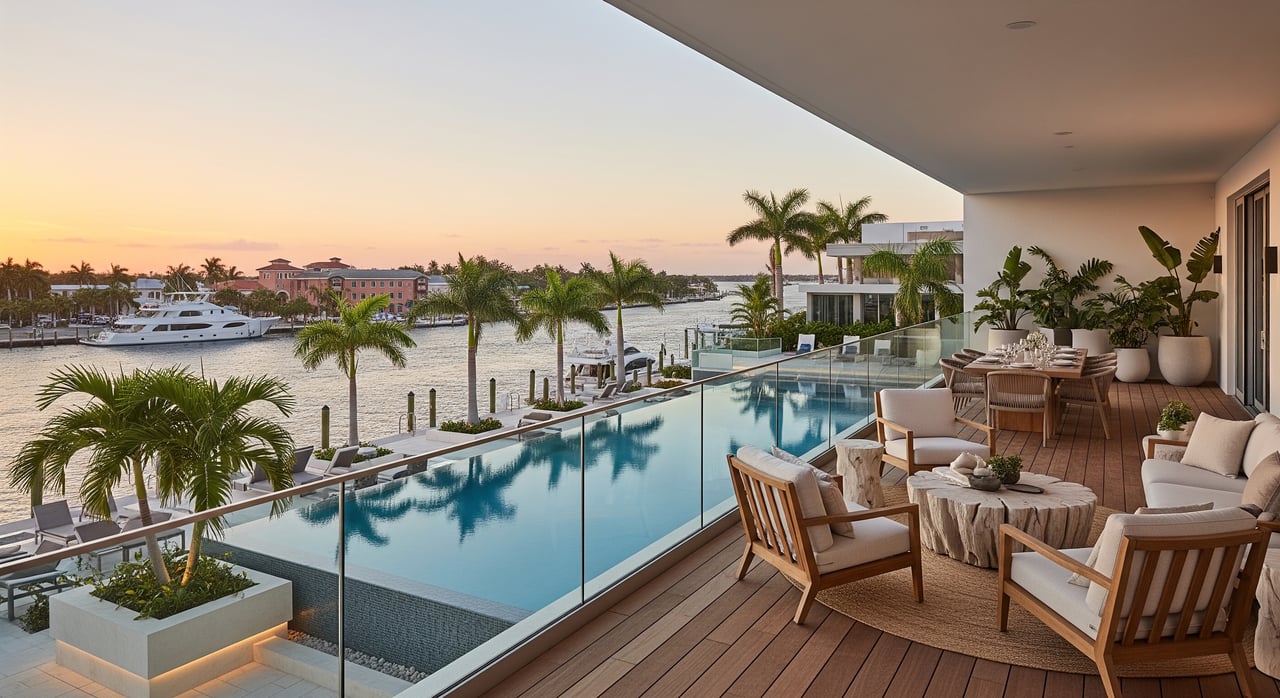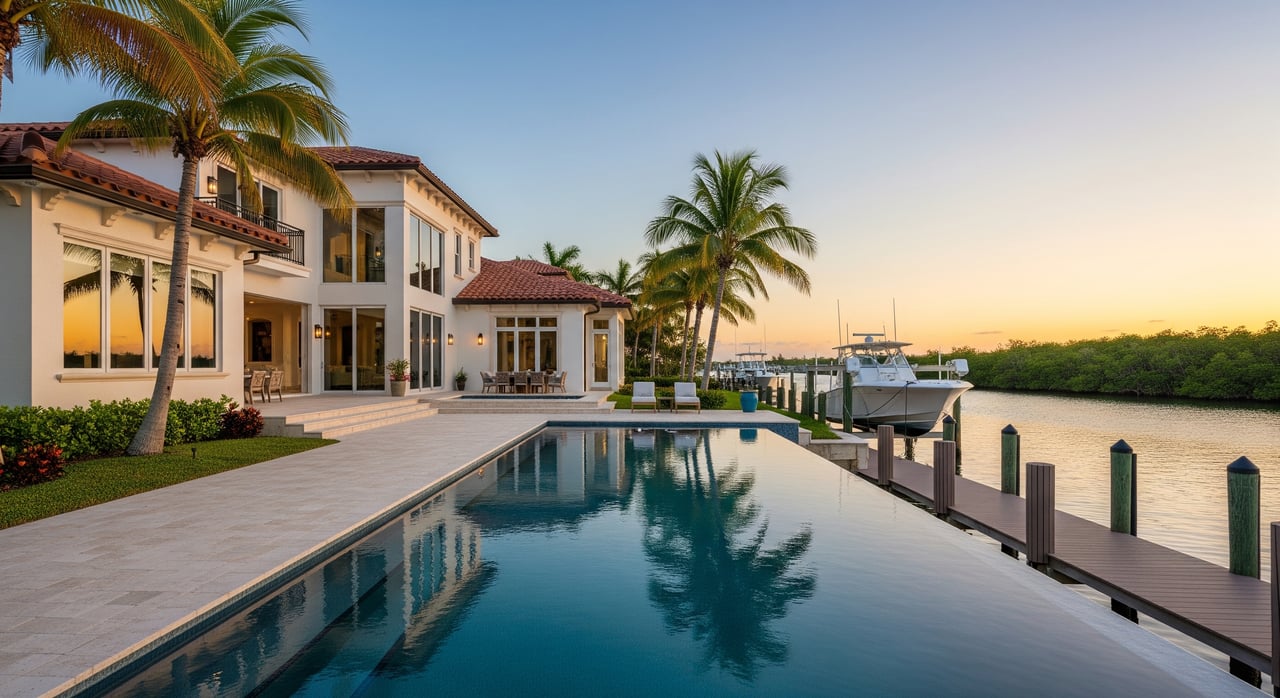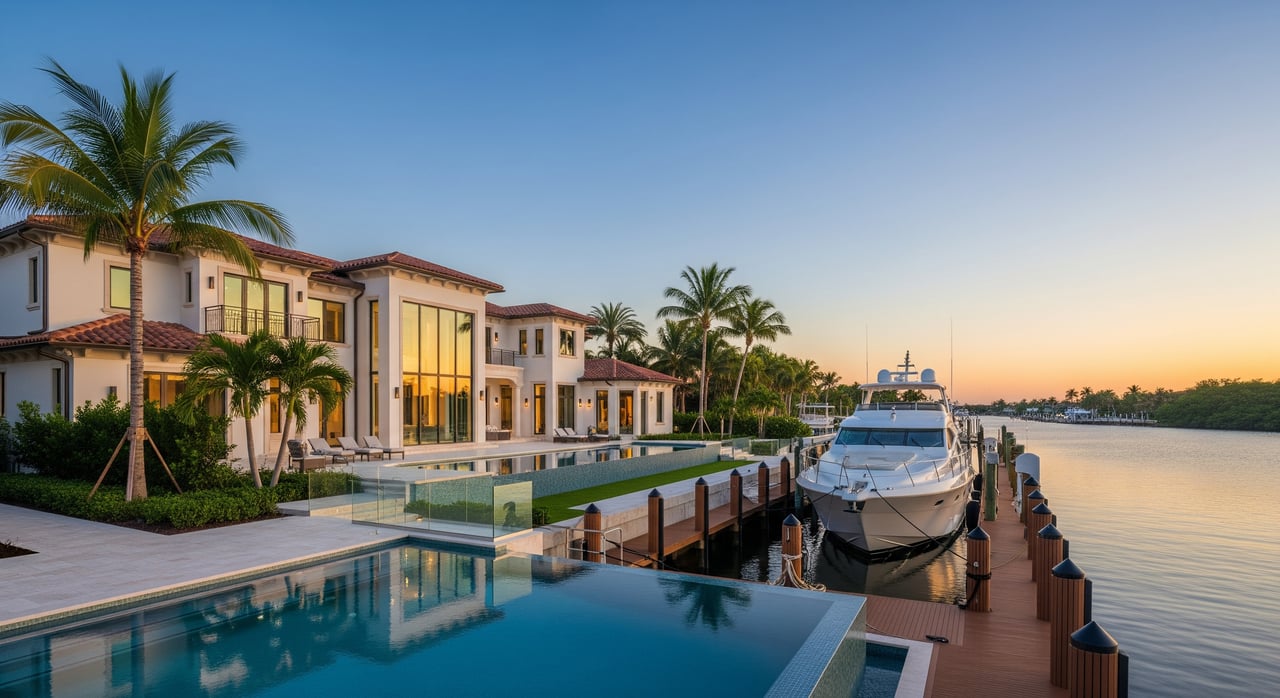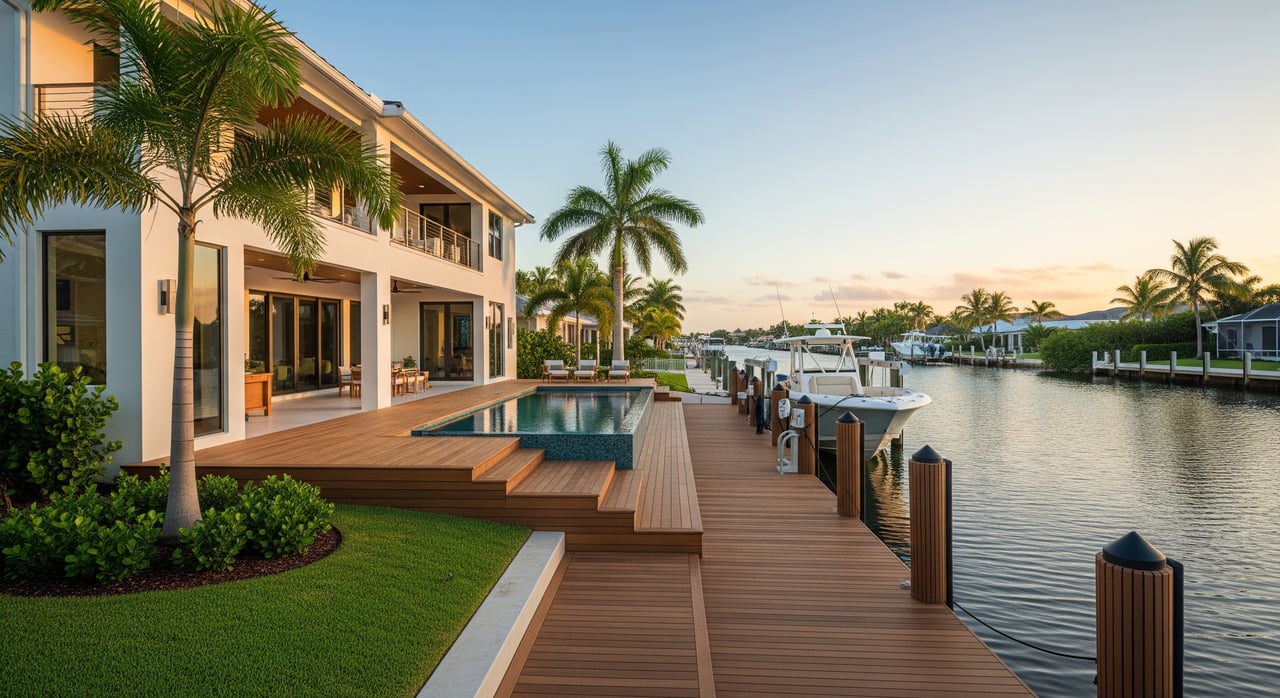
What makes one Cape Coral waterfront home sell fast at a premium while another struggles to get offers? If you are buying or selling along the canals or river, the details matter. You want to protect your investment and avoid costly surprises. In this guide, you will learn the features, risks, and steps that most influence value in Cape Coral. Let’s dive in.
What “waterfront” means in Cape Coral
Cape Coral is a canal city with hundreds of miles of waterways. That means “waterfront” covers several types of properties. You will see direct Gulf access, canal-front homes with varying depths and bridge clearances, and riverfront homes on the Caloosahatchee.
Each type carries different buyer demand. Boaters often pay more for faster, deeper access to open water. Riverfront homes can offer big views and unique conditions. Canal-front homes vary widely by depth, width, and route to maintained channels.
To track local planning and canal information, check the City of Cape Coral’s official resources for public infrastructure and canals at the City of Cape Coral site. For property records and lot details, use the Lee County Property Appraiser.
Property features that move the needle
Water access, depth, and route
The quality of water access is a top driver of price. Direct Gulf access or an unimpeded channel is often the gold standard for boating buyers. On canals, depth, width, and how quickly you reach a maintained channel matter. Some routes include fixed bridges that limit boat height.
Before you commit, verify depth, dredging status, and distance to a maintained channel. Ask about nearby public ramps if you plan to trailer a boat. Confirm any waterway restrictions that could limit boat size or speed.
Seawall, dock, and boat lift
Marine structures have a major impact on value and buyer confidence. A seawall in good condition, with documented maintenance, can support pricing. Docks and lifts that are permitted and well maintained add use and peace of mind.
Seawall repairs or replacement can be expensive. Ask for permits, age, service history, and a professional inspection. It is common for insurers and lenders to look closely at these items on waterfront homes.
Orientation, views, and privacy
South or west exposure, wide water vistas, and unobstructed views tend to be more desirable. Corner or curved lots can create longer usable frontage and broader views. Neighboring development and setbacks affect privacy and enjoyment.
Lot shape and usable waterfront footage
Usable linear waterfront often matters more than total lot size. The ability to place or expand a dock and still have room for a pool or outdoor living space can boost value. Verify lot lines and waterfront footage through the Lee County Property Appraiser.
Structure, resilience, and upgrades
On the house itself, condition and resilience drive pricing. Impact-rated windows and doors, a solid roof, updated systems, and marine-grade materials add market appeal. Buyers and insurers look for homes that stand up well to wind and water.
Elevation and flood mitigation
Elevation relative to the base flood elevation can shape flood insurance costs and buyer demand. Features like elevated living spaces, freeboard, and flood-resilient construction help. Confirm the property’s flood zone at the FEMA Map Service Center and request an elevation certificate if available.
Location and neighborhood factors
Time to open water and bridge clearance
For boating buyers, time and clearance to reach the river or Gulf are key. Fixed bridges affect which boats can pass. The route to a maintained channel can influence pricing, even among homes on the same street.
Marinas, fuel, and services
Close proximity to marinas, fuel, and storage options is a plus. Access to dining, shopping, medical centers, and the airport supports broader demand. The overall lifestyle package can narrow or widen the buyer pool.
Zoning, HOAs, and local rules
Some neighborhoods or HOAs have rules about docks, lifts, and shoreline use. City and state regulations also apply to shoreline work. Before you make plans for a larger dock or lift, review local and state permitting requirements through the Florida Department of Environmental Protection and the city.
City planning and canal maintenance
Long-term value is tied to infrastructure. Keep an eye on canal maintenance plans, dredging schedules, and seawall stabilization initiatives. The city’s planning and canal updates are posted on the City of Cape Coral site.
Flood, insurance, and environmental realities
Flood zones and flood insurance
Parts of Cape Coral fall within FEMA Special Flood Hazard Areas. If you have a mortgage, flood insurance may be required. Premiums depend on elevation, flood zone, and the property’s specific risk profile. Start with the FEMA Map Service Center to confirm the zone, then request quotes from both NFIP and private carriers.
Home insurance and wind coverage
Coastal insurance markets can be volatile. Carriers may have stricter requirements, higher wind or hurricane deductibles, or limited options in certain areas. For context and updates, review resources from Citizens Property Insurance and the Florida Office of Insurance Regulation.
Sea level rise and storm risk
Long-term planning is part of coastal ownership. Sea level rise projections and storm surge risk can influence maintenance and capital needs over time. For maps and scenarios, see NOAA’s Sea Level Rise Viewer.
Water quality and red tide
Water clarity and periodic red tide can affect enjoyment and rental potential. To monitor conditions, consult Mote Marine Laboratory’s red tide resources. Episodes are temporary, but buyers often factor them into long-term expectations.
How waterfront premiums form
Waterfront premiums reflect what buyers are willing to pay for access, views, and the lifestyle. The size of that premium depends on the quality of water access, the condition of the seawall and dock, usable frontage, and overall home condition. Supply of comparable waterfront sales in your area also matters.
Appraisers compare recent waterfront sales and adjust for differences like channel depth, bridge clearance, view, and permitted improvements. In areas with few recent comps, appraisals can vary. Clear documentation helps support value.
Buyer due diligence checklist
Use this list to move confidently and avoid surprises:
- Confirm the exact type of access. Is it direct Gulf access or canal-to-channel? How far to a maintained route?
- Verify canal and channel depths, any dredging history, and upcoming maintenance plans with the city at the City of Cape Coral site.
- Inspect the seawall and dock with a marine-structure specialist. Request age, condition reports, permits, and lift capacity.
- Check the property’s flood zone at the FEMA Map Service Center and request an elevation certificate if available.
- Obtain preliminary quotes for flood, homeowner, and wind insurance using context from Citizens Property Insurance and the Florida Office of Insurance Regulation.
- Review zoning, HOA rules, and state shoreline permitting through the Florida Department of Environmental Protection, especially if you plan dock or lift changes.
- Verify lot lines and waterfront footage with the Lee County Property Appraiser.
- Check water quality history and red tide updates with Mote Marine Laboratory.
- Gather recent comparable waterfront sales and plan for appraisal nuances.
Seller steps to maximize value
- Inspect and service the seawall, dock, and lift. Address cost-effective repairs before listing.
- Assemble permits, maintenance records, elevation certificate, and past flood policy details to build buyer confidence.
- Highlight boating benefits like time to open water, bridge clearances, and nearby marinas or ramps.
- Refresh outdoor living areas. Clean seawall and dock surfaces, tidy landscaping, and stage view corridors.
- Disclose any special assessments, past storm repairs, and insurance claim history up front to avoid delays.
Common sticking points in negotiations
- Disputes over the premium for access and view when appraisals lag buyer willingness.
- Seawall or dock issues uncovered during inspections that raise lender or insurer concerns.
- Late discovery of high or unavailable insurance that changes affordability.
- Gaps in permits for docks or lifts that require remediation before closing.
A clear process, verified documents, and early insurance quotes reduce last-minute friction. Whether you are buying or selling, tight preparation creates leverage.
Ready to align your plan with today’s Cape Coral waterfront market? Reach out to The Vetere Team for local guidance, data-driven pricing, and a smooth process. Request Your Free Home Valuation and get a clear roadmap to your next move.
FAQs
How much more are Cape Coral waterfront homes worth compared to inland homes?
- Premiums vary by access type, depth, seawall and dock condition, usable frontage, and recent comps, so evaluate with neighborhood sales rather than a single percentage.
Why is seawall condition so important for Cape Coral waterfront buyers?
- Seawall failure is costly to fix and can impact lender and insurer decisions, so documented condition and maintenance often influence whether a deal moves forward.
How do FEMA flood maps affect a Cape Coral purchase?
- If the home is in a Special Flood Hazard Area, lenders often require flood insurance; check the zone at the FEMA Map Service Center and review how elevation affects premiums.
Are direct Gulf access homes always the top value in Cape Coral?
- Often for boating-focused buyers, yes, but view quality, lot, home condition, and proximity to services can offset access differences in overall market value.
What environmental risks should Cape Coral waterfront owners plan for?
- Hurricanes and storm surge, sea level rise over time, and episodic red tide events; factor these into insurance, maintenance planning, and long-term affordability.
Which sources should I use to verify canal and permitting details in Cape Coral?
- Use the City of Cape Coral site for canal and planning info, the Florida Department of Environmental Protection for shoreline permits, and Lee County Property Appraiser for property records.