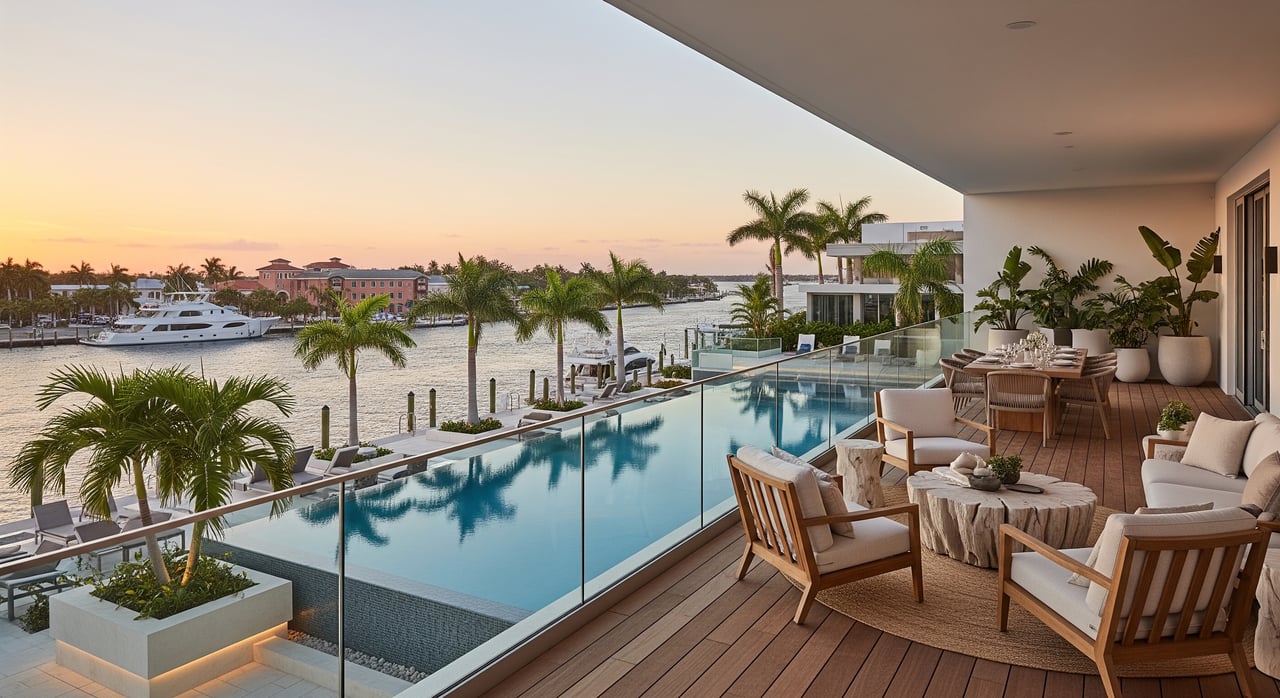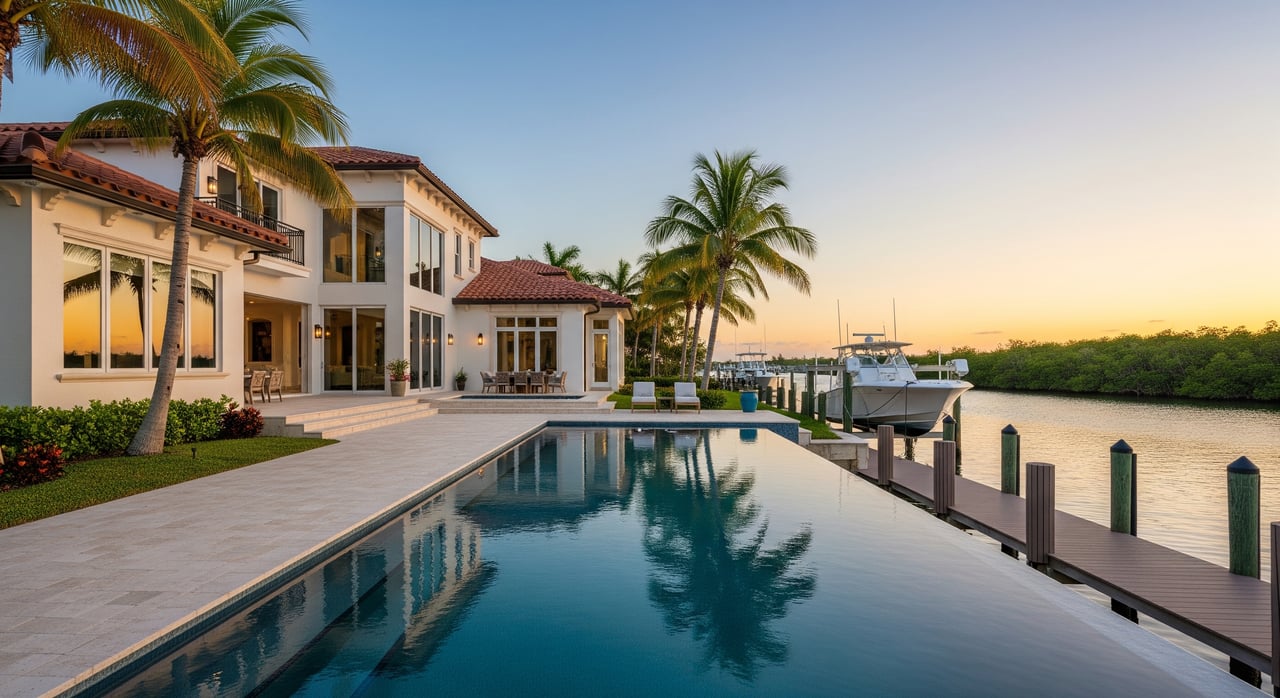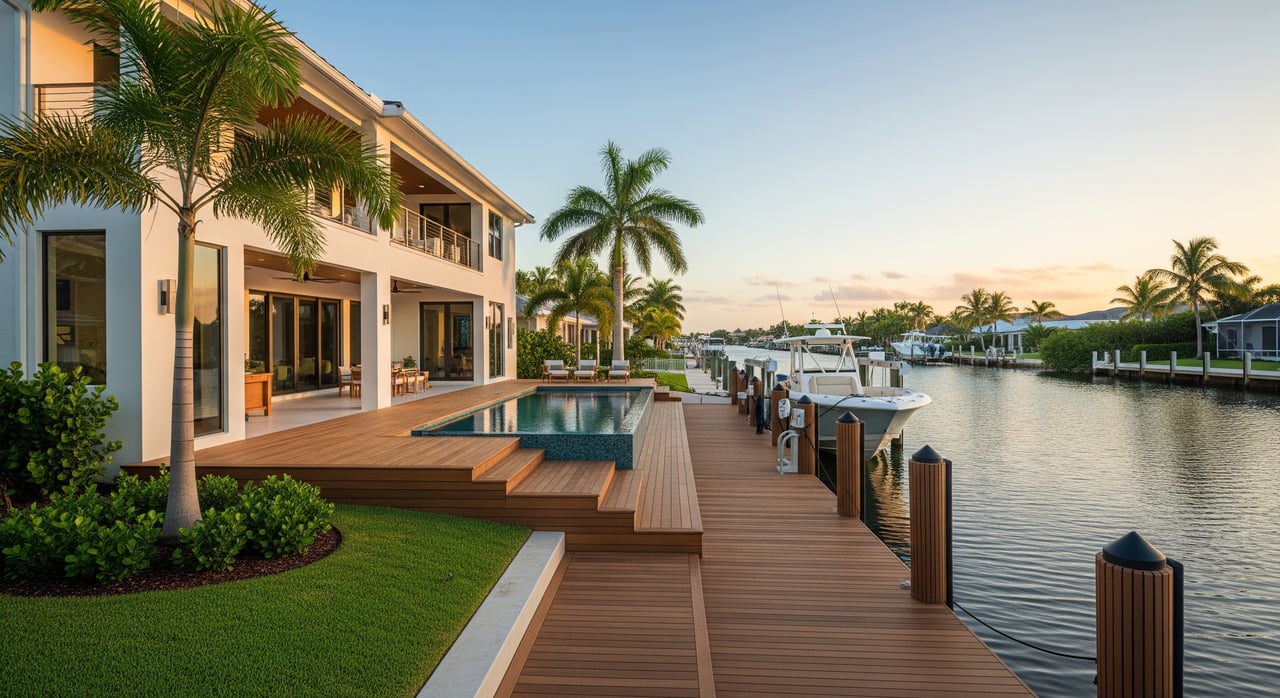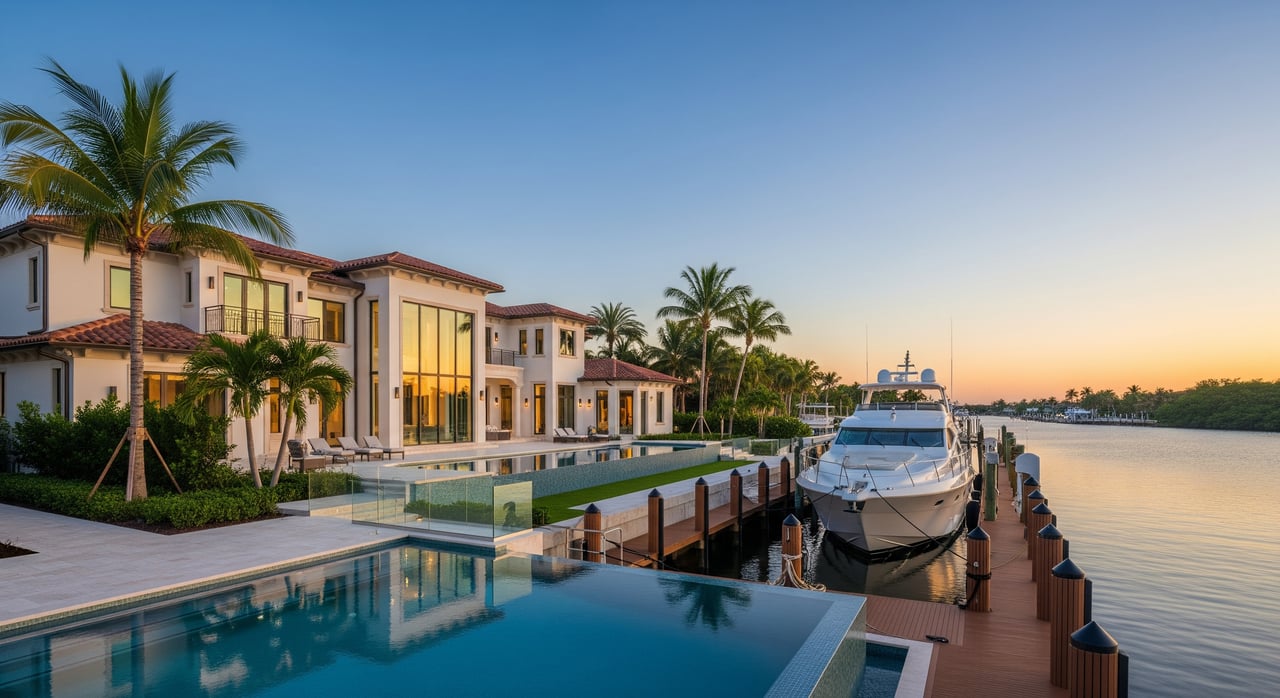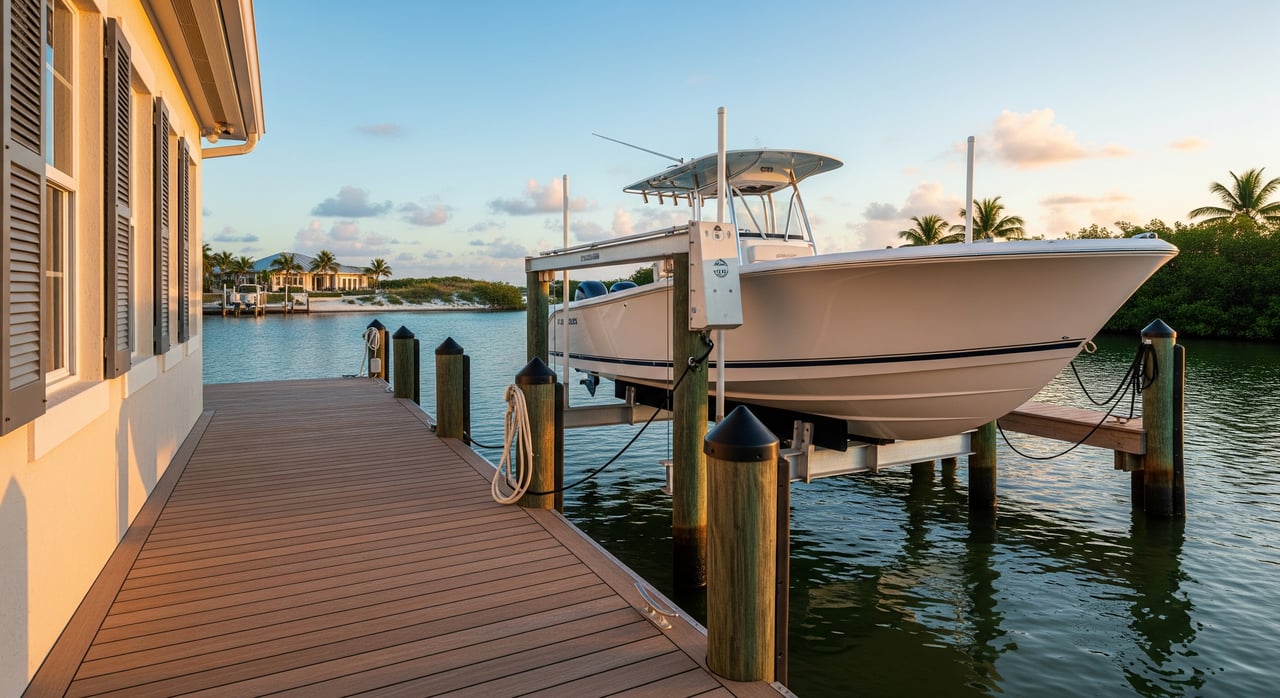
Thinking about a Sanibel or Captiva home with a dock or boat lift? You are not alone. For many island buyers, the right waterfront setup is the must-have amenity that shapes daily life on the water. Still, docks on these barrier islands come with unique rules, environmental constraints, and maintenance realities you need to understand before you write an offer. In this guide, you will learn what to check, who regulates what, and how a dock or lift can affect your costs, insurance, and long-term value. Let’s dive in.
Why docks matter on Sanibel and Captiva
Sanibel and Captiva sit on shallow, ecologically sensitive waters that open to San Carlos Bay, Pine Island Sound, and the Gulf of Mexico. Water depth can change quickly across tidal flats, and seagrass beds are common. That means some properties have quick deep-water access, while others require longer docks, lifts, or different designs to reach navigable depth.
If you boat, a safe, permitted dock and a lift sized for local conditions can be a premium feature. If you are selling, a clean permit record and solid maintenance history can help your property stand out. On the flip side, unpermitted or poorly built structures can complicate appraisals, insurance, and closing timelines.
Know the rules before you buy
Waterfront structures on the islands are regulated by several agencies. The key players include the State of Florida for submerged lands and coastal permitting, the U.S. Army Corps of Engineers for work in navigable waters, and Lee County for building and marine permits. FEMA and the Florida Building Code guide coastal construction, while wildlife and seagrass protections reflect input from state wildlife agencies and local conservation groups.
Permits and records to confirm
Ask for copies of county building permits and final inspections for the dock and lift. Confirm any required state or federal authorizations as well. Look for as-built drawings and inspection reports. You want final approvals, not just applications in process.
Submerged land leases
Much of the water bottom around the islands is state sovereign submerged land. Private docks that occupy this area often need a state authorization or a lease. Verify if a lease exists, whether it can transfer on sale, renewal terms, fees, and any compliance obligations. Nontransferable rights can delay or derail a closing.
Environmental limits to expect
Seagrass and mangroves carry strong protections. Permits typically limit dock length and width, require enough elevation or spacing to reduce shading, and set where piles can go. Mangrove trimming or removal is tightly controlled. Wildlife protections can add seasonal work windows or design tweaks.
Local code and storm design
Lee County can set maximum dock length, setbacks from property lines, lighting and navigation requirements, and allowed materials. In exposed zones, structures may need enhanced piling, connections, and breakaway features to improve storm performance. The design that works on a calm canal may not be allowed on an open bayfront.
Transfer timing
State submerged-land leases and some federal permits do not automatically transfer. Plan for processing time and possible fees. Build these steps into your purchase contract timeline to avoid last-minute surprises.
Dock and lift types you will see
The islands use several common designs.
- Fixed, pile-supported docks. Elevated and durable, but can shade seagrass. Practical where water depth at the shoreline is reasonable and the substrate holds piles well.
- Floating docks. Rise and fall with the tide and may reduce the number of piles. Still need anchoring and clear space in the water column.
- Boat lifts. Vertical or cantilever systems are common. Lifts keep your hull out of the water, help avoid prop and skeg damage in shallows, and reduce fouling. Electric lifts require permitted shore power and safe wiring.
- Ramps and gangways. Often needed to transition between dock elevation and tidal water levels.
Site constraints that shape design
- Depth and tidal flats. Shallow approach channels may force longer docks or make a lift the smart choice. Some sites cannot reach navigable depth at a reasonable cost.
- Substrate and piling. Sand, shell, rock, or muck influence pile type and installation method, and therefore cost.
- Neighboring docks and navigation. Setbacks from side lines, no-wake zones, and fairways affect layout and permitted dimensions.
- Utilities. Shore power, potable water, and any pump-out service affect lift choice and ongoing operating costs.
Costs, insurance, and risk
Dock and lift installation costs vary with length, materials, pile type, lift size, electrical work, and site conditions. Plan for lifecycle expenses such as maintenance, periodic repairs, potential storm damage, and any annual submerged-land lease fees. Barrier islands have higher hurricane exposure, so you should reserve for future repairs or replacement.
Insurance coverage for docks and lifts differs by policy. Some homeowners policies exclude or limit these structures. You may need specific marine or dock coverage, and insurers typically require code-compliant construction and inspections. If you rent the property or plan guest use, review liability coverage and any local rules that apply to dock use.
How docks affect value
A well-permitted dock and an appropriately sized lift can be a strong selling point for boating buyers and can improve marketability. But a structure that lacks approvals, encroaches on setbacks, or sits on a nontransferable state lease can shrink your buyer pool and slow the deal. Think about the fit for typical local boats and depth conditions, not only your current vessel. You want a setup that works for a wide range of buyers.
Buyer due diligence checklist
Use this checklist before you close on any Sanibel or Captiva property with a dock or lift, or if you plan to add one.
- Permit documentation
- Request county building permits and finals, state submerged-land authorizations or leases, and any U.S. Army Corps permits. Confirm they are closed and current.
- Lease or authorization status
- If the dock occupies state submerged land, get the lease. Verify transferability, renewal terms, fees, and any compliance items.
- As-builts and inspections
- Ask for as-built drawings and past inspection reports. If unavailable, plan for a professional marine inspection.
- Structural and mechanical review
- Have a qualified marine contractor evaluate pilings, framing, fasteners for corrosion, electrical wiring, motors, hoists, and anchoring systems.
- Environmental constraints
- Review seagrass and mangrove conditions near the site. Confirm any restrictions or mitigation requirements for future changes.
- Depth and navigation
- Obtain a recent depth check at mean and low tide. Confirm turning room, channel access, and any no-wake restrictions that affect usability.
- Insurance and rebuild planning
- Speak with insurers about coverage limits, required documentation, and standards for post-storm reconstruction.
- Title, survey, and encroachments
- Order a survey that shows the dock relative to property lines and easements. Confirm no encroachments into setbacks or public rights-of-way.
- HOA or deed rules
- If applicable, review association or deed restrictions for dock size, design, approval steps, and shared-dock policies.
- Cost projections
- Get estimates for short-term repairs and full replacement. Use this to inform your offer and reserves.
- Transfer timelines
- Build the time needed for state or federal transfer approvals into your closing plan.
Practical tips for a smoother purchase
- Match the lift to likely boat types. Confirm lift ratings for length, beam, and weight. Ask about bunk configuration and clearance at low tide.
- Look at corrosion and connections. Stainless fasteners, protected wiring, and sound pile connections reduce risk in storms.
- Consider sun and shade. Decking that allows light penetration can help with seagrass considerations and may align better with permit conditions.
- Plan for storms. Ask about breakaway sections, elevation, and prior storm performance. Have a clear plan for lift tie-downs and boat removal.
Closing with confidence
The right dock and lift can elevate your island lifestyle, but only if the structure is safe, legal, and practical for the waters around Sanibel and Captiva. Focus on permits, submerged-land rights, environmental constraints, and structural integrity. Build insurance and storm planning into your budget from day one. When you approach a waterfront purchase with this mindset, you will protect your investment and enjoy easier days on the water.
If you are weighing options or want a local perspective on specific properties, reach out to The Vetere Team. Our island and coastal experience can help you evaluate dock feasibility, timelines, and risks so you can move forward with clarity.
FAQs
Do I automatically get the dock when I buy a Sanibel home?
- Not always. Docks may occupy state submerged lands and rely on permits or leases that require formal transfer approvals. Verify documents and transferability before closing.
How can I tell what size boat the dock and lift can handle?
- Confirm water depth at mean and low tide, turning room, dock load capacity, and lift ratings for length, beam, and weight. A local marine contractor can verify fit.
Will a Sanibel or Captiva dock survive a hurricane?
- Docks are vulnerable in major storms. Resilient designs and robust pilings help, but hurricane damage is common. Insurance and a storm plan are essential.
Are seagrass beds a problem for new or longer docks?
- Seagrass protections often limit overwater shading and footprint. You may face size limits or need design features that allow light penetration. Some sites have stricter limits.
Can I modify or lengthen an existing dock on the islands?
- Modifications typically require new local and possibly state or federal permits. Setbacks, environmental rules, and navigation safety can restrict size and layout.
What insurance should I consider for a dock and lift?
- Many homeowners policies limit dock coverage. You may need specific marine or dock insurance and proof of code-compliant construction and inspections.