Thinking about a townhome in Marbella but unsure what the real costs and upkeep look like? You’re not alone. Between community fees, coastal maintenance, and lifestyle trade-offs, there is a lot to weigh before you buy or sell. In this guide, you’ll learn what typical fees cover, how responsibilities are split, what to check in the paperwork, and how the lifestyle compares to apartments and villas. Let’s dive in.
What a Marbella townhome is
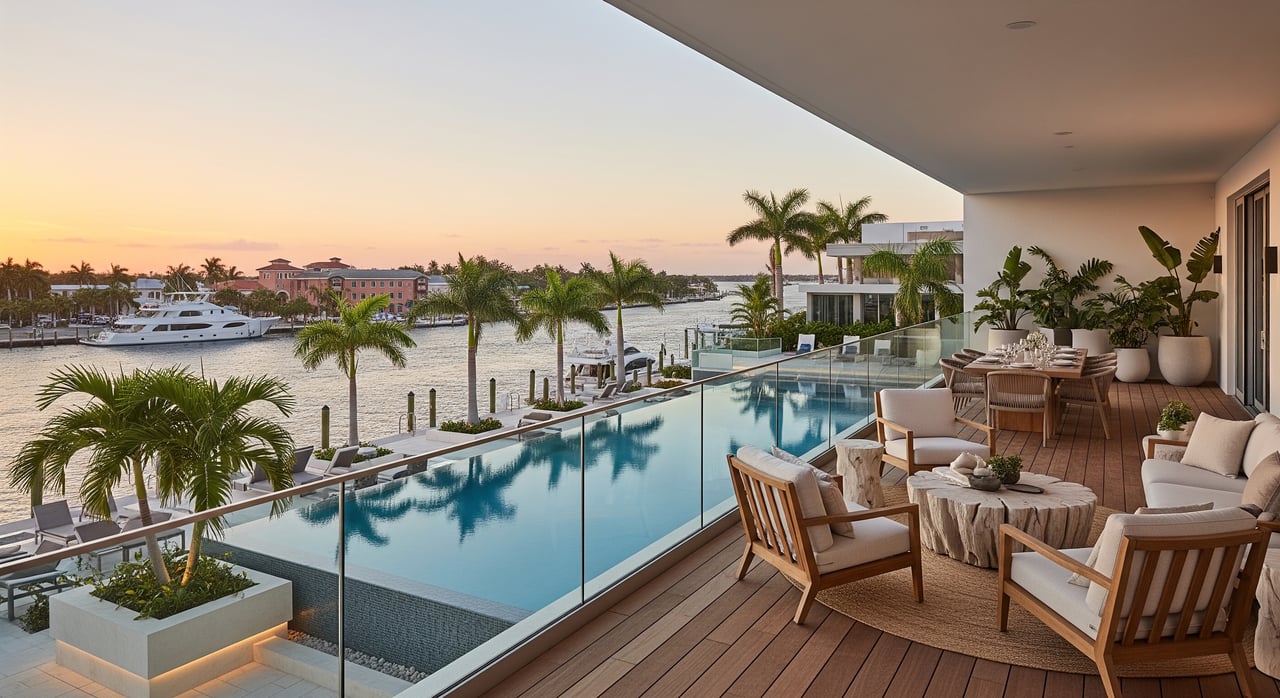
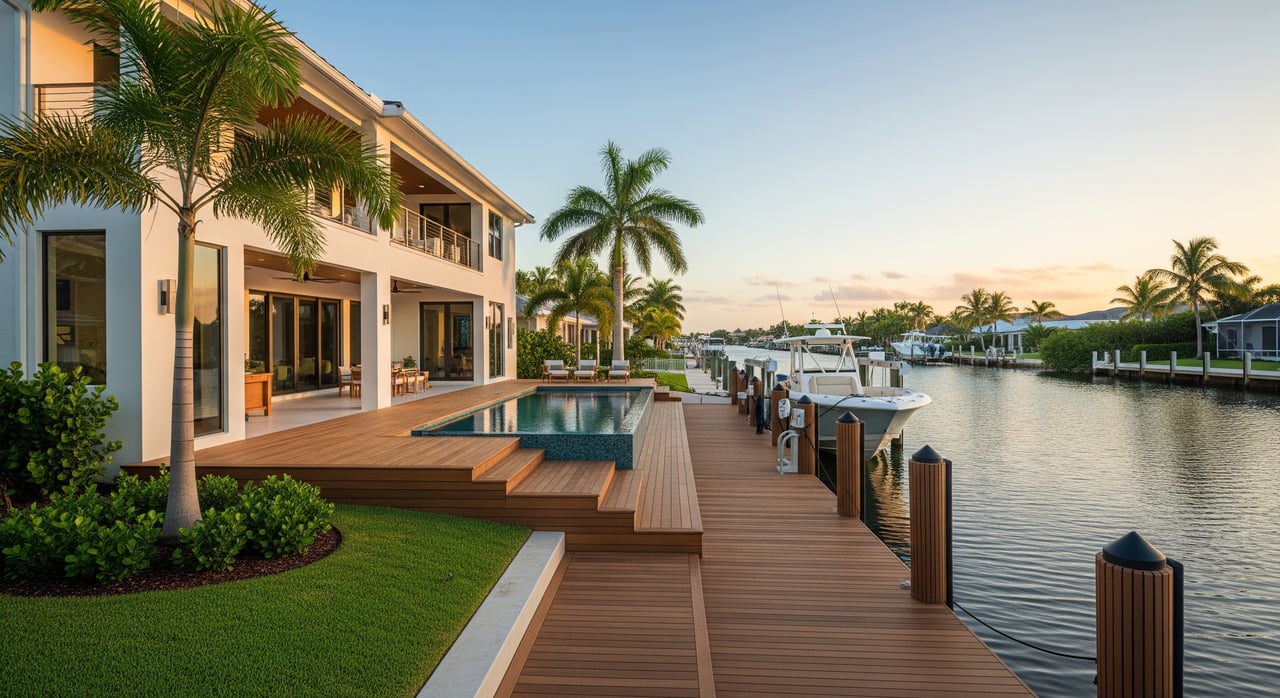
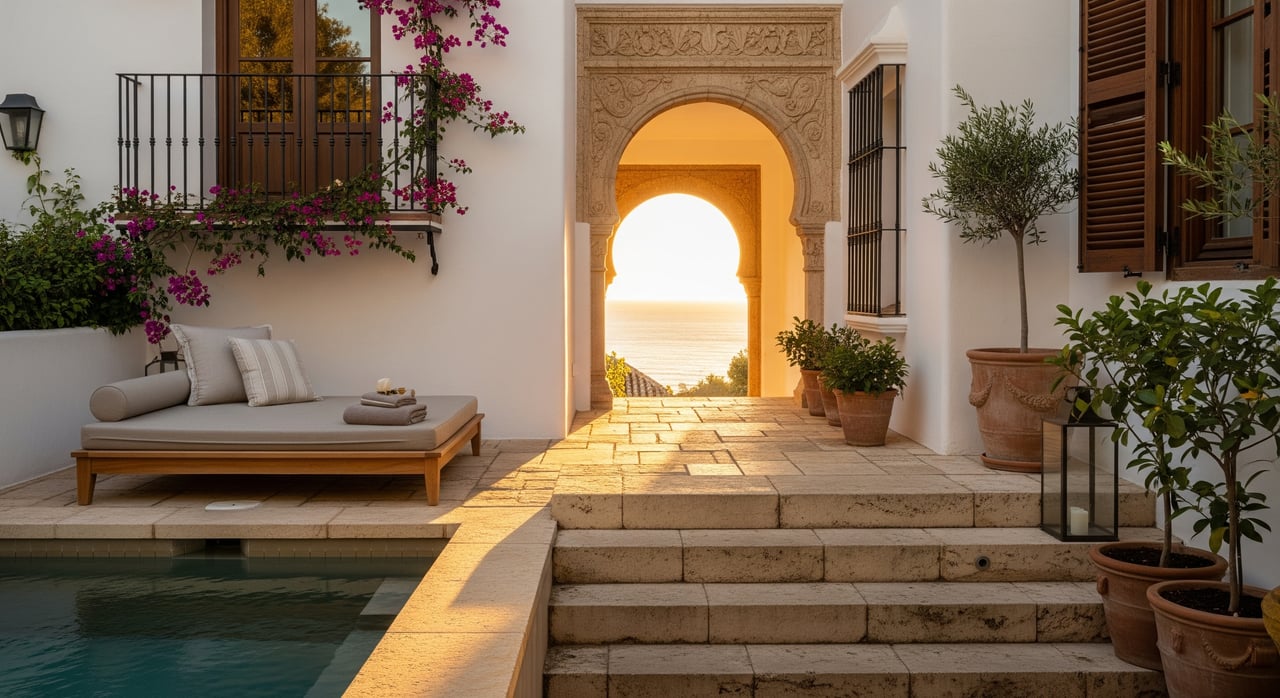
Townhomes in Marbella are often semi-detached or terraced houses inside gated “urbanizaciones” with shared gardens, pools, and sometimes on-site security. Most are multi-level with private terraces or a rooftop, and many include a small private garden or garage. In higher-end areas near Puerto Banús, the Golden Mile, and Nueva Andalucía, some communities add concierge, gyms, and private or semi-private pools.
Compared with apartments, townhomes give you more privacy and outdoor space while keeping a lower direct maintenance burden than a standalone villa. Villas offer more independence but come with higher upkeep and service coordination. Townhomes sit between the two, which is why they are popular with both year-round residents and second-home owners.
You’ll find many townhome communities around Nueva Andalucía’s Golf Valley, near beaches and marinas by Puerto Banús, along the Golden Mile, and around San Pedro de Alcántara toward Estepona. Each area has its own style of amenities and cost structure.
Community fees you will pay
Community fees, or gastos de comunidad, are regular payments to the homeowners’ association that keep shared spaces and services running. These fees fund maintenance, repairs, and communal services defined by the community’s rules and the Ley de Propiedad Horizontal.
Fees vary widely by community size, services, and amenities. A smaller complex with basic landscaping will have lower fees than a large gated development with multiple pools, a gym, staffed security, or extensive common areas. The more you have in shared services, the more you should expect to pay each month.
What fees usually include
- Pool cleaning and seasonal maintenance
- Garden and landscaping services
- Security or gate staff if provided
- Lighting and cleaning of common areas
- Elevator maintenance if applicable
- Insurance for communal elements
- Repairs to shared structures and a reserve fund
Why fees vary by area
In upscale zones near the Golden Mile and Puerto Banús, you often see more amenities and a higher service level, which can increase monthly costs. In San Pedro or toward Estepona, you’ll find a broader range of communities and fee structures. Focus on the exact list of services, not just the location.
How to check the budget
Before you buy, request these items from the seller or administrator:
- Last 12 to 24 months of community fee receipts
- Current annual budget and the community’s bank balance
- Minutes of recent assemblies (actas) and any approved works
- Details of any planned or anticipated extraordinary levies (derrama)
Special assessments to watch
A derrama is a one-off charge for major works such as roof repairs, façade restoration, or pool renovations. These can be substantial. Major projects must be approved in a properly convened assembly of owners. Always ask whether any derramas have been approved or discussed and review meeting minutes to confirm the timing and scope.
Taxes and municipal charges
You will also face municipal taxes and one-time transaction costs.
- IBI (annual property tax): Based on cadastral value and municipal rates. Confirm the current amount with the Ayuntamiento de Marbella.
- Garbage collection tax (tasa de basuras): Often billed separately by the municipality.
- On sale: Plusvalía municipal and regional transfer taxes apply during resale. Rules can change, so ask a local abogado or gestor to confirm the current approach and any exemptions.
For utilities, you will pay your own electricity, water, and gas. Some communities include water for communal gardens or pools within the fees, while others bill it separately. Owners usually carry home and contents insurance, and the community insures shared elements. Verify what the community policy covers so you can avoid overlaps or gaps.
If you plan short-term rentals, make sure you understand Andalusian and Marbella rules on tourist registration and licensing, and check whether your community allows holiday rentals. Some communities restrict or prohibit them in the statutes.
Maintenance: who handles what
In most communities, the owner is responsible for the interior of the home, interior plumbing and electrical, windows, and any private garden or garage listed in the deed. If a terrace or roof is designated as private, you will likely handle its upkeep too.
The community typically manages structural and shared elements such as façades, roofs if defined as common, stairways, pools, communal gardens, gates, elevators, and shared installations. The exact split depends on the community statutes and your escritura. Always review these documents so there are no surprises about who pays for what.
Typical maintenance schedules
- Communal pool: Weekly professional care in season; reduced frequency in winter
- Private pool (if any): Weekly in season, then winterizing as needed
- Gardens and landscaping: Weekly to biweekly depending on size and species
- Exterior paint and wood or metalwork: Every 7 to 10 years, sooner with heavy exposure
- Roof and terrace waterproofing: Inspect annually; re-waterproof about every 8 to 15 years depending on condition
- Air conditioning: Annual servicing with filter cleaning and refrigerant checks
- Drainage and sewer checks: Annual inspection to prevent blockages
- Pest control: Seasonal treatments in warmer months
Coastal wear and cost tips
Marbella’s coastal air carries salt that speeds corrosion on metal gates, railings, and outdoor fixtures. Plan for more frequent inspections and replacements for exposed metal. Strong UV can also fade paint and wear down timber faster, so use coastal-grade materials and protective coatings. Landscaping will do better with drought-tolerant plants and careful irrigation management in summer.
How amenities shape your costs
Communities with more amenities shift daily maintenance away from you, which can be helpful for second-home or lock-and-leave living. The trade-off is higher monthly fees and the possibility of larger future works. Always review the reserve fund and recent building surveys if available. A healthy reserve can soften the impact of a future derrama.
Lifestyle and amenities
Many Marbella townhome developments are designed for everyday comfort and resort-style living. Common features include gated access, 24-hour concierge in upscale communities, communal pools, landscaped paths, playgrounds, fitness rooms, and underground parking with storage. Some have padel or tennis courts.
Locations near beaches and Puerto Banús offer quick access to marinas, dining, and nightlife. Nueva Andalucía is popular for golf and proximity to multiple courses. San Pedro and nearby areas provide everyday services and a broader mix of price points. For families, neutral factors like outdoor play areas and proximity to daily services can be appealing. Retirees often value reduced upkeep and gated settings. If you are an investor, confirm rental licensing and community rules before you count on short-term income.
Buyer due diligence checklist
Do thorough checks before you commit. Here is what to request and ask:
Documents to request
- Title deeds (escritura) and a recent nota simple from the Registro de la Propiedad
- Community documentation: last 12–24 months of fee receipts; current annual budget; minutes of recent assemblies; certificate showing no outstanding debts; details of any approved or pending derramas; community statutes and internal rules
- Property condition: building surveys, any ITE reports if applicable, and certificates for pools, lifts, and installations
- Licenses and certificates: energy performance certificate for sale or rent, habitability documentation where required
- Rental licensing: confirmation of any tourist license and any community restrictions
Questions to ask
- What are the monthly community fees and what do they include?
- Are any extraordinary charges planned or approved?
- What is the community reserve fund and what major works were done recently?
- Are there any noise issues, legal disputes, or rule changes noted in the minutes?
- What are the rules on holiday rentals, pets, and exterior modifications?
- Who are the current utility providers and are meters shared?
Smart negotiation tips
- Verify the no-debt certificate at closing, since buyers can be liable for certain arrears
- Include expected community fees and possible derramas in your affordability or yield math
- Consider a survey that reviews shared elements like roofs, façades, pools, and drainage
- Work with a local abogado or gestor who knows Andalusian rules and can review licensing
Is a townhome right for you?
If you want more space and privacy than an apartment without the full upkeep of a villa, a townhome can be a smart fit. You gain shared services and a neighborhood feel while keeping your personal maintenance manageable. The key is understanding the community’s budget, rules, and maintenance history so you can plan ahead.
If Marbella is on your shortlist, a clear picture of fees, taxes, and upkeep will help you choose the right development and avoid surprises. When you are ready to compare communities or coordinate an international move, reach out to The Vetere Team’s relocation-focused advisors. We can connect you with trusted partners on the ground, help you review documents, and build a smooth plan from your current home to your next one.
Ready to talk through your goals or start planning a cross-border purchase? Connect with The Vetere Team for personalized guidance and next steps.
FAQs
How do Marbella townhome fees work?
- Community fees fund shared services like pools, gardens, lighting, and insurance, and they vary by amenities and service level. Review budgets, receipts, and meeting minutes.
What is a derrama and when is it charged?
- A derrama is a one-off assessment for major works such as roof or façade repairs. It must be approved at a community assembly and can be significant.
Who is responsible for roof and façade repairs?
- It depends on the community statutes and the deed. Structural elements are often communal, while interior elements are the owner’s responsibility. Always verify in writing.
What municipal taxes should I expect as an owner?
- Expect IBI (annual property tax) and a garbage collection fee. On sale, plusvalía municipal and transfer taxes can apply. Confirm current amounts with local professionals.
Are short-term holiday rentals allowed in townhomes?
- They may be allowed, but you must comply with Andalusian and Marbella tourist licensing rules and any community restrictions. Confirm both before purchasing.
What coastal maintenance issues should I plan for?
- Salt air accelerates corrosion of metal, and UV exposure wears paint and timber faster. Plan for more frequent inspections, quality coatings, and drought-smart landscaping.